The airline industry faces a confluence of pressures, from technological innovation to labor unrest and changing consumer behavior. Airlines are exploring unconventional fuel sources, like jet fuel derived from sewage, while simultaneously grappling with union disputes and the broader economic impact of new health trends. The shift is forcing a re-evaluation of traditional business models.
Biofuel and Sustainability
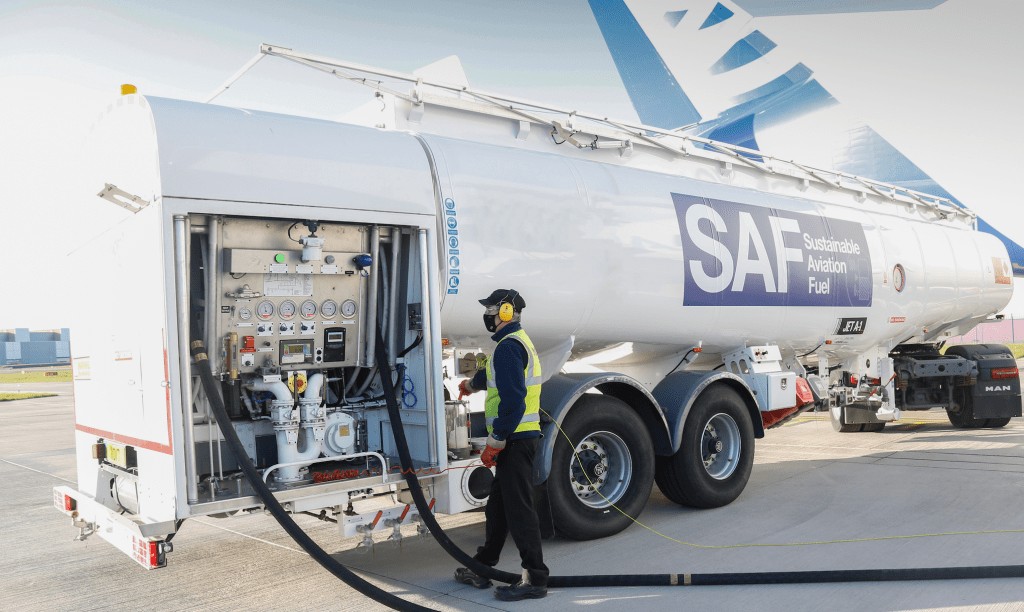
Airlines are under increasing pressure to adopt sustainable practices, leading to interest in alternative fuels. Jet fuel made from sewage represents one potential solution, though its viability and scalability remain key questions. This reflects a growing trend toward circular economy models in aviation, where waste products are repurposed rather than discarded.
Labor Disputes and Management Confidence
American Airlines flight attendants have issued a no-confidence vote in CEO Robert Isom, signaling deepening labor tensions. The move comes as unions escalate pressure over stalled contract negotiations and perceived underperformance compared to competitors. This highlights a broader challenge for airline management: balancing cost control with worker satisfaction in a post-pandemic landscape.
The Ozempic Effect on Travel Spending
The rise of blockbuster weight-loss drugs like Ozempic is reshaping consumer behavior, including travel spending. For decades, the travel industry has thrived on excess consumption – larger meals, more alcohol, and lavish spending. However, the increasing adoption of these drugs is curbing some of these habits. This shift has significant implications for hotels, restaurants, and airlines that rely on discretionary spending.
Political Activism and CEO Accountability
Activists are increasingly targeting the personal lives of corporate leaders to pressure companies on political issues. The recent demonstration outside Hilton CEO Christopher Nassetta’s home over the company’s contracts with Immigration and Customs Enforcement (ICE) illustrates this new tactic. This trend underscores how hotel groups now face reputational risks in an era of heightened political polarization.
The airline industry is at a critical juncture, where technological innovation, labor relations, changing consumer habits, and political activism intersect. Airlines must adapt or risk falling behind in an increasingly complex and volatile business environment.