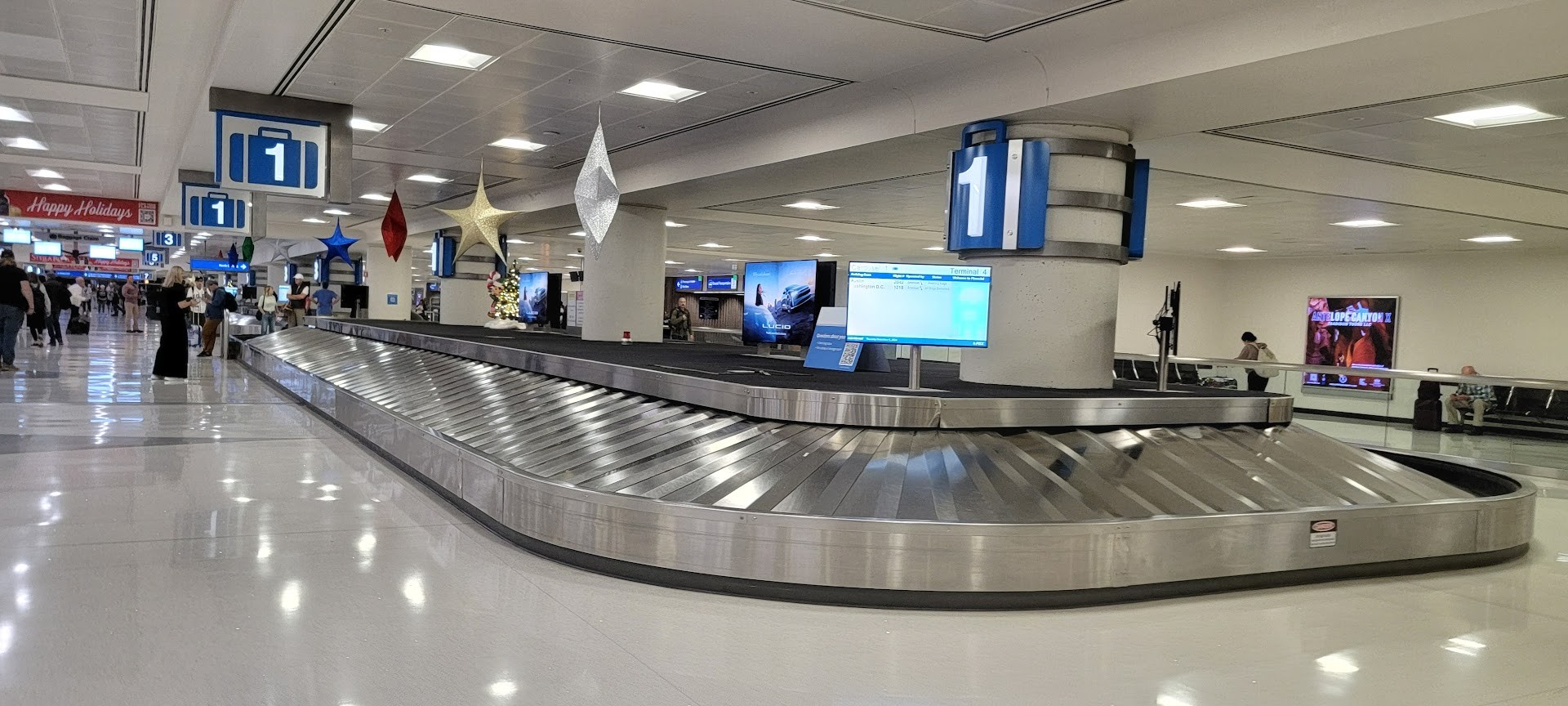
American Airlines recently returned a customer’s checked bag missing a wheel, offering little recourse and citing “normal wear and tear” as justification – a practice that directly conflicts with Department of Transportation (DOT) guidance. This incident highlights a systemic issue within the airline industry, where carriers routinely deny liability for damaged baggage components, pushing the boundaries of acceptable conduct under existing regulations.
The Industry Standard: Blurring the Lines Between Damage and Wear
Airlines maintain that they are not liable for pre-existing damage or wear resulting from improper packing, a reasonable stance. However, many carriers also assert blanket exclusions for damage to protruding parts like wheels, straps, and handles. This approach is technically inconsistent with DOT rules, which prohibit airlines from categorically denying claims for such damage. The DOT warned in 2015 that airlines were “routinely” abusing this loophole, rejecting claims without proper review.
Contract of Carriage: The Fine Print Protecting Airlines
American Airlines’ Contract of Carriage explicitly states that they do not cover “damage…from normal wear and tear” to external parts like wheels. The key distinction is that airlines only deny liability when damage is attributed to ordinary wear, not mishandling. Other major carriers follow suit:
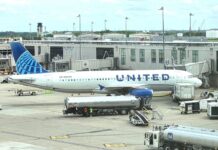
- United: Excludes liability for protruding parts if damage results from normal wear and tear.
- JetBlue: Similar exclusions for baggage wheels and similar parts due to fair wear or handling.
- Spirit: Denies claims for wheel damage caused by normal wear and tear.
The ambiguity allows airlines to classify almost any damage as wear and tear, making it difficult for customers to dispute denials.
DOT Enforcement: A Weak Link in Consumer Protection
Despite past warnings, DOT enforcement of consumer protection rules against U.S. airlines remains lax. Airlines are incentivized to minimize payouts on damaged baggage claims, with internal memos even outlining strategies to deny claims. One recent case involved American Airlines crushing a family’s stroller, initially offering compensation but later rejecting the claim as wear and tear.
Alternative Avenues for Recourse
Obtaining payouts for damaged baggage is challenging. However, many credit cards offer coverage for damaged or lost luggage as a benefit. The airline industry is known to take this stance across the board, making it difficult for customers to dispute claims.
In conclusion, while airlines are not entirely out of compliance with regulations, they exploit loopholes in their contracts and industry practices to minimize liability for baggage damage. The DOT’s weak enforcement allows this abuse to continue, leaving passengers with limited recourse and airlines shielded from accountability.