


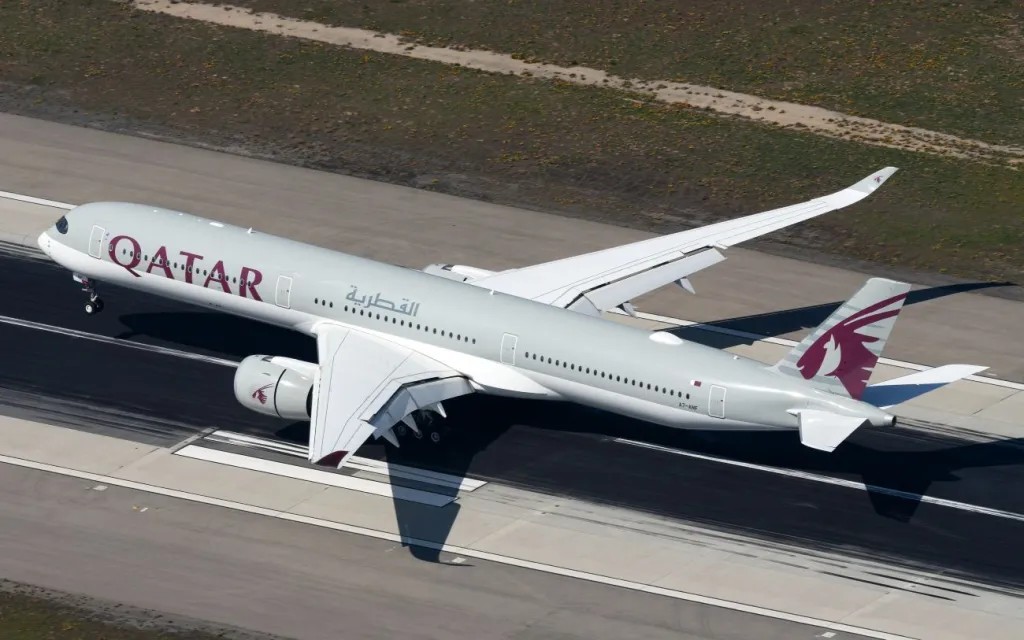
The ongoing conflict in the Middle East, particularly involving Iran, is now forcing major Gulf airlines to revise their frequent flyer programs. Etihad and Qatar Airways have both announced changes to ensure customers don’t lose elite status despite drastically reduced travel opportunities.
Impact on Frequent Flyers
For full-service carriers like those in the Gulf region, loyalty programs are vital. They drive revenue by incentivizing repeat business, especially among high-spending premium passengers. However, the conflict has severely disrupted air travel. Restricted airspace and volatile conditions mean many travelers are flying far less or not at all, putting their loyalty status at risk.
Adjustments to Tier Qualification
To mitigate this, Etihad has reduced tier qualification thresholds by 25%. Some members will automatically move up a tier, ensuring they retain benefits despite reduced flying. Qatar Airways has also introduced similar arrangements, though specifics haven’t been publicly disclosed to the same degree.
This shift acknowledges the reality of the situation: airlines must prioritize customer retention even when operational conditions are unfavorable.
Why This Matters
These changes are more than just a customer service gesture. The Gulf region relies heavily on international air travel for economic activity. Disruptions to flights impact not only airlines but also tourism, business, and wider regional stability.
The fact that major carriers are adjusting loyalty schemes suggests the conflict’s effects will likely be prolonged. Airlines are adapting to the new normal, prioritizing customer relationships over strict qualification rules. This ensures that when conditions improve, they’ll still have a loyal base of high-value customers ready to fly.
The adjustments reflect a strategic recognition that retaining elite customers is crucial for long-term revenue recovery once travel stabilizes.


