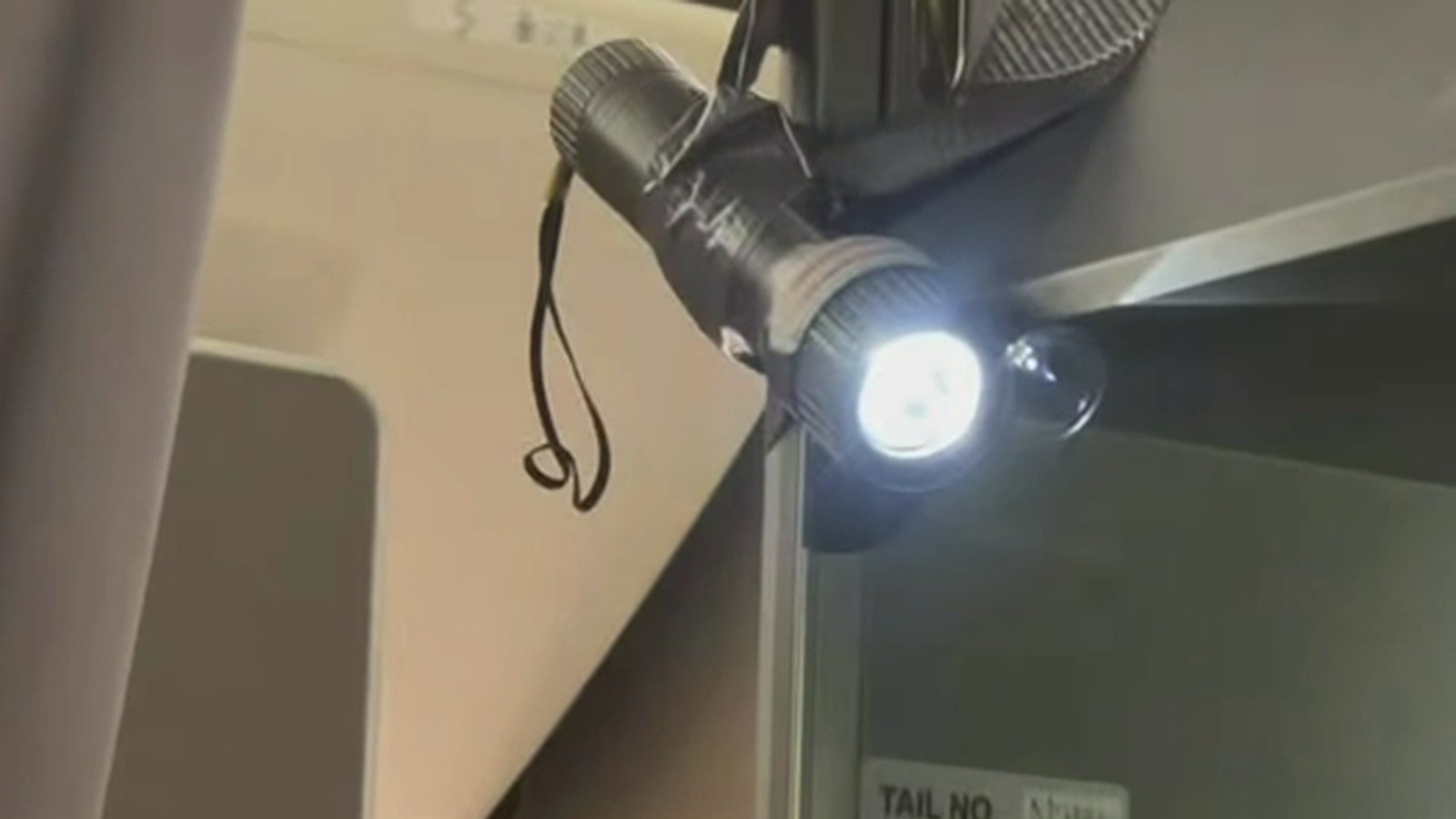
American Airlines operated a transatlantic flight from London Heathrow to Los Angeles on Saturday, February 14th, with non-functional galley lights. Flight attendants were forced to rely on emergency flashlights to prepare and serve meals in near darkness. The incident highlights how airlines prioritize on-time performance over optimal crew working conditions.
The Problem: Darkness in the Galley
The crew of flight AA137 encountered an unusual challenge: a fully booked long-haul flight with no working lights in the food and beverage preparation area. This meant serving meals, pouring drinks, and handling hot beverages in extremely low light. As one crew member noted, the aircraft was dispatched anyway despite the malfunction.
This isn’t just an inconvenience; it raises safety concerns. Improperly lit workspaces increase the risk of spills, burns from hot liquids, and mistakes in meal plating. The conditions likely slowed down service, meaning fewer cabin passes and potentially incomplete meal distribution.
Why This Happened: Minimum Equipment List (MEL) Procedures
American Airlines operates under Minimum Equipment List (MEL) procedures. These lists dictate which equipment failures allow an aircraft to fly legally, balancing safety with operational efficiency. In this case, the airline decided that the cost of delaying the flight at Heathrow Airport for repairs outweighed the inconvenience of working with limited lighting.
Electrical troubleshooting can take anywhere from minutes to hours, and replacement parts aren’t always immediately available. Maintaining on-time performance is crucial for airlines, and dispatching with a minor issue like this can avoid cascading delays.
The Bigger Picture: Prioritizing Schedules Over Comfort
The incident underscores a common tension in air travel: the constant pressure to maintain schedules. Airlines often make decisions that optimize cost and efficiency, even if it means compromising crew comfort. The fact that a cabin lighting issue can be deferred for up to ten days under certain conditions suggests this isn’t an isolated case.
While the crew had access to flashlights, the situation highlights the trade-offs airlines make. The primary concern isn’t the aircraft’s safety but the service implications and the potential for accidents in a poorly lit galley.
American Airlines has yet to respond to requests for comment. The incident serves as a reminder that behind the polished veneer of air travel, operational realities often take precedence over ideal working conditions.
Conclusion: This flight exemplifies how airlines prioritize on-time departure and cost-efficiency, sometimes at the expense of optimal crew working conditions. While not a safety risk, the incident underscores the need for transparency in operational decision-making.