


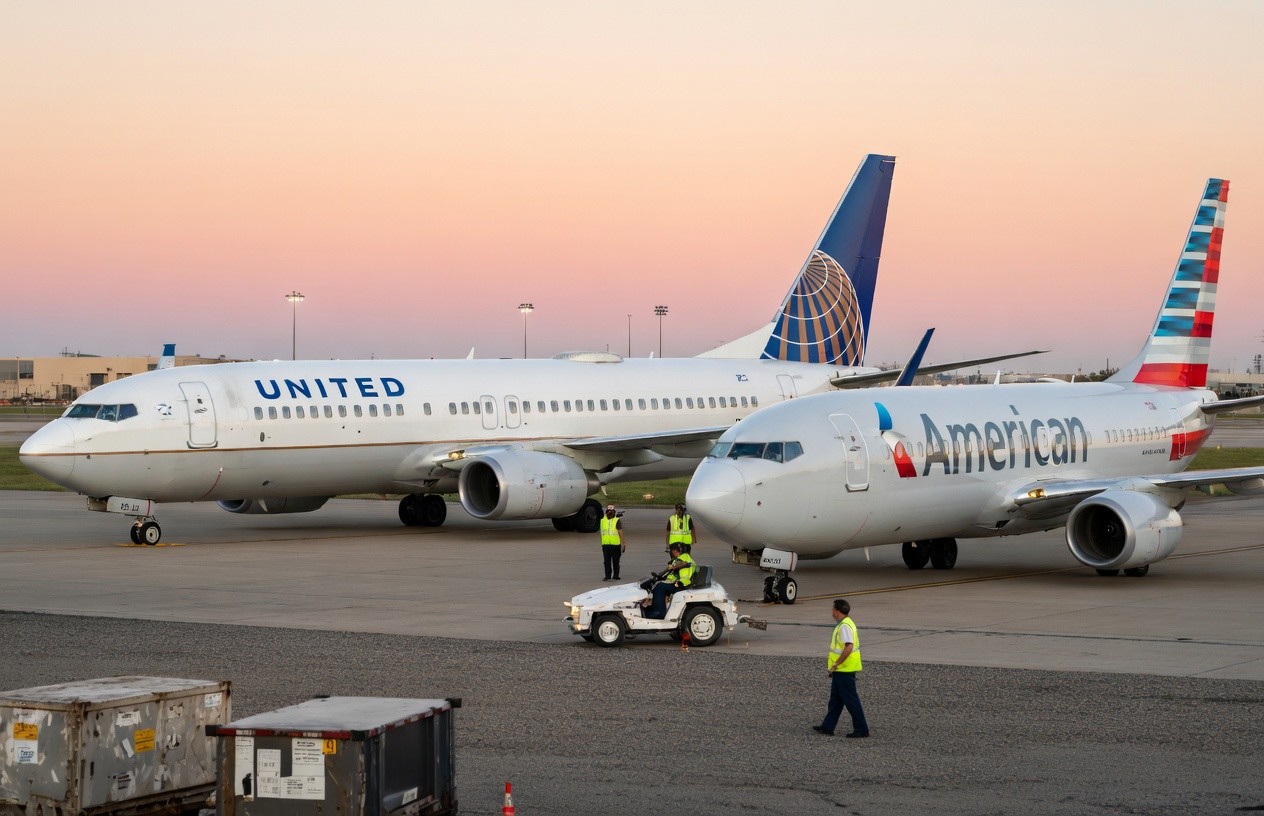
American Airlines has officially denied reports that it is engaged in merger discussions with United Airlines. While the airline dismissed the specific rumors of a United tie-up, its carefully worded response suggests a complex strategic landscape where market consolidation remains a possibility—provided the price and political climate are right.
The Denial: Antitrust and Political Strategy
In a formal statement, American Airlines clarified that it is not currently discussing a merger with United. The company cited two primary reasons for this stance:
- Antitrust Obstacles: A merger between two of the nation’s largest carriers would likely face intense scrutiny from regulators.
- Political Alignment: The airline noted that such a deal would be “inconsistent with our understanding of the Administration’s philosophy toward the industry.”
This mention of the administration is particularly notable. Reports suggest that United CEO Scott Kirby may have even pitched the idea of a merger to President Trump. By framing a United merger as contrary to the current administration’s principles, American Airlines is effectively distancing itself from a deal that could trigger political friction.
Reading Between the Lines: The “Haggling” Factor
While the denial is firm, industry analysts note that the language used by American Airlines leaves significant strategic doors open. The company stated that while a United merger is off the table, “changes in the broader airline marketplace may be necessary.”
This nuance suggests several underlying realities:
- Interest in Other Targets: By stating that market changes are necessary, American implies it remains open to other consolidation opportunities, such as a potential move involving JetBlue.
- Fiduciary Duty: As a public company, American’s Board of Directors has a legal obligation to act in the best interest of its shareholders. While they may not be “interested” in United today, that stance could shift if a sufficiently lucrative offer were presented.
- The Timing of the Response: The airline waited until after the market closed on Friday to issue its response to speculation that had surfaced earlier that Monday, a common tactic used by corporations to manage market volatility.
The Regulatory Hurdle
Even if the Trump administration were to signal support for a major airline merger, the path to completion remains fraught with difficulty. A massive consolidation would not only require federal approval but would likely trigger:
- State-level lawsuits: Attorneys General from various states often challenge large-scale mergers to protect local interests.
- Private litigation: Competitors and consumer advocacy groups frequently sue to block industry consolidation.
- International scrutiny: Global aviation regulators may weigh in on deals that affect international routes.
- Political Volatility: A deal approved by one administration could be challenged or dismantled by a future administration, creating long-term instability for the merged entity.
Conclusion
American Airlines has effectively shut the door on a United merger by citing antitrust and political misalignment, yet its rhetoric suggests it remains hungry for broader industry consolidation. The company is navigating a delicate balance between regulatory reality, political diplomacy, and its fundamental duty to maximize shareholder value.


