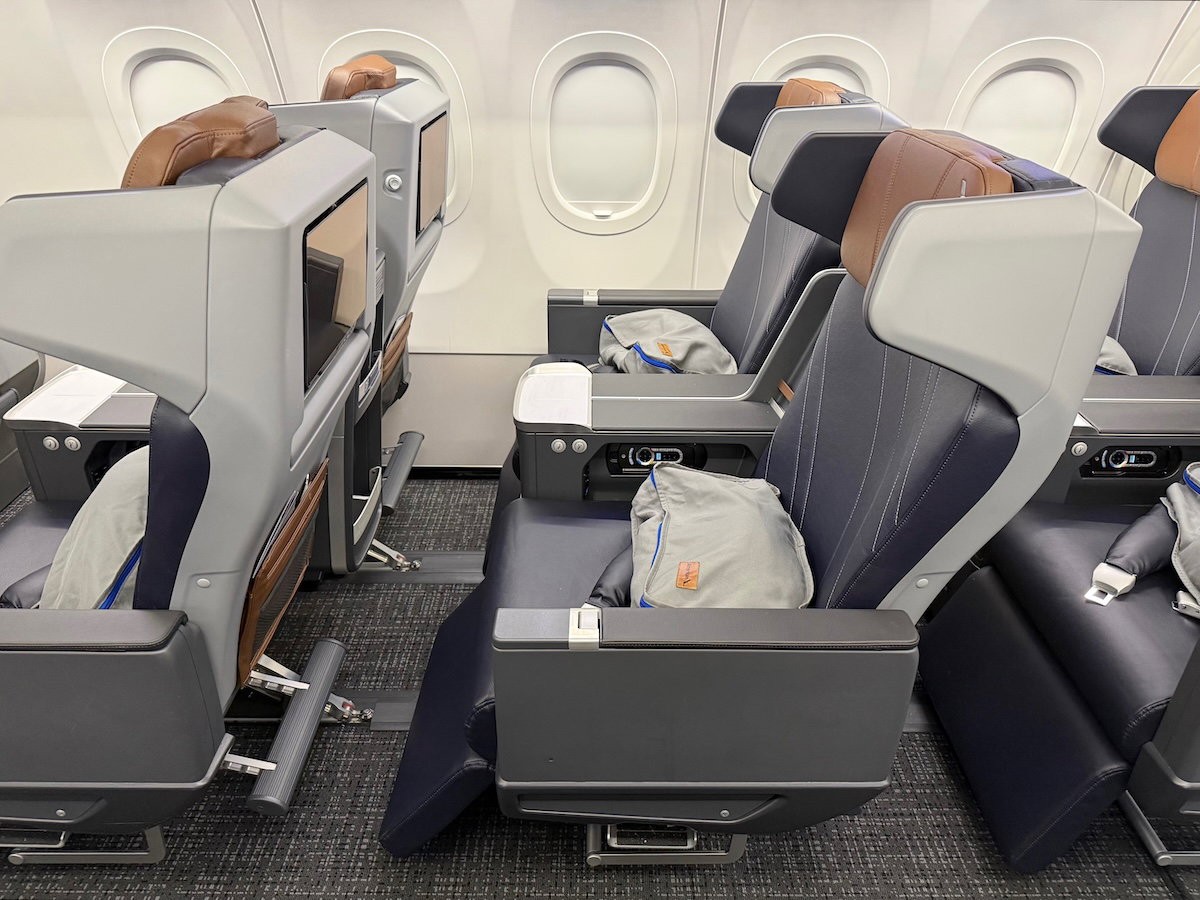
American Airlines is considering reinstating seatback televisions on its narrow-body aircraft, a move that would reverse a controversial decision made years ago. This potential shift comes as the airline struggles to compete with Delta and United in passenger experience and profitability. For over a decade, American pursued a strategy prioritizing schedule density over customer amenities – a tactic now widely recognized as ineffective by employees, passengers, and investors alike.
The Competitive Landscape
The airline industry has seen a clear divergence in strategy. While American focused on cost-cutting, Delta and United invested heavily in passenger comfort and technology. This includes modern seatback entertainment systems and high-speed Wi-Fi via Starlink, giving them a significant edge. American’s current leadership appears to recognize this disparity, with discussions underway to revamp inflight entertainment options.
Potential Upgrades
According to CNBC, a decision on seatback TVs could be made as soon as next month. Beyond simply reintroducing screens, American is also exploring partnerships with SpaceX’s Starlink and Amazon’s Leo to provide faster inflight Wi-Fi. Talks with Amazon extend to potential content integration, including Amazon Prime streaming, music, and even in-flight shopping with AAdvantage miles. However, any large-scale implementation would be costly and time-consuming.
Why This Matters
The move signals a shift in American’s approach. For years, the airline prioritized operational efficiency at the expense of passenger comfort, even removing existing seatback TVs. This decision alienated some customers, and now, the company appears to be reversing course. The airline is under pressure to improve its experience, but faces a difficult path, given the significant investments made by its competitors.
The Bigger Picture
American’s recent rollout of free inflight Wi-Fi (via Viasat) is a step in the right direction, but it is likely not enough. The market has shifted, and passengers now expect more. The airline’s new Chief Commercial Officer, Nat Pieper, who previously oversaw fleet decisions at Delta, may be pushing for a return to premium amenities.
Ultimately, while seatback TVs are not the sole solution to American’s challenges, they represent a recognition of past mistakes and a renewed focus on passenger experience. The airline’s ability to execute these changes efficiently and effectively will determine whether it can catch up to its rivals.
The airline’s struggles are compounded by the fact that it has spent years dismantling a premium product only to consider rebuilding it now. While entertainment upgrades are welcome, systemic issues such as customer service, reliability, and route network expansion remain more pressing concerns. The speed of technological change also complicates the decision, as cabin entertainment can quickly become outdated.
In conclusion, American Airlines is finally acknowledging that neglecting passenger experience has consequences. Reintroducing seatback TVs and upgrading Wi-Fi may help close the gap with Delta and United, but it is only one piece of a larger puzzle. The airline’s long-term success depends on its ability to adapt, innovate, and deliver a consistently superior travel experience.