


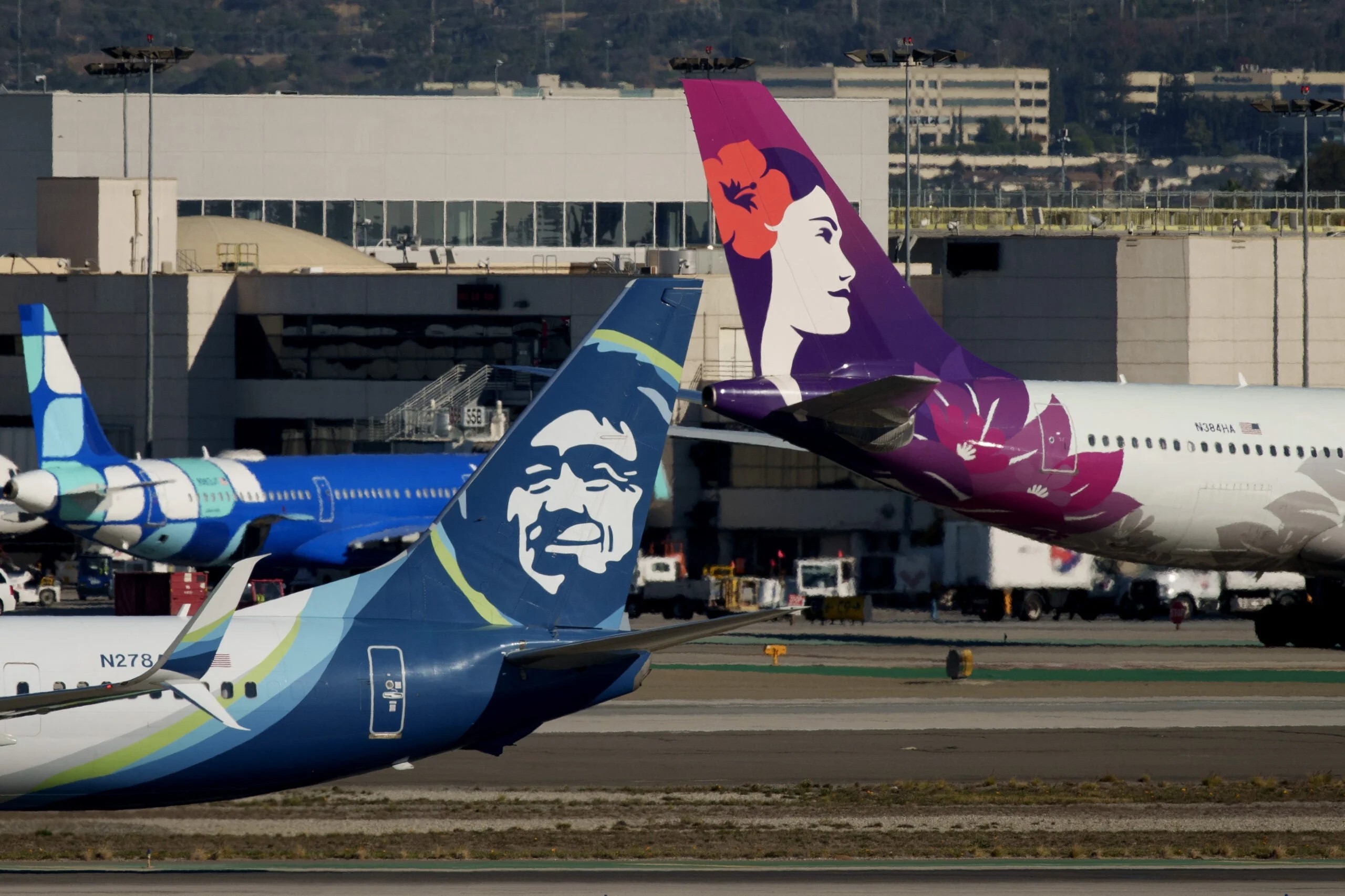
Alaska Airlines’ recent acquisition of Hawaiian Airlines isn’t about merging into one homogenous entity. Instead, the plan is to operate two distinct brands under a single corporate umbrella – a rare strategy in the airline industry, but one executives believe will unlock significant value. This approach recognizes the deep cultural connection Hawaiian Airlines holds, particularly in its namesake islands, Asia, and the Pacific, a loyalty that transcends mere branding.
The Value of Distinct Identity
The core idea is simple: Hawaiian Airlines will retain its unique identity – its culture, its people, and its place-based appeal – while benefiting from Alaska’s broader network and operational efficiencies. CEO Diana Birkett Rakow emphasizes that the brand’s strength isn’t just in its visual elements, but in how the airline treats its passengers and reflects Hawaiian values.
This isn’t just sentimentality; it’s a calculated business move. The airline industry often consolidates, stripping away differentiating factors. But in this case, executives believe the Hawaiian brand is worth preserving, even if it adds complexity. Maintaining two distinct onboard experiences – from POG juice on Hawaiian flights to Stumptown Coffee on Alaska – is costly, but preserving that distinction is seen as essential for maximizing value.
Operational Integration: Ecosystem, Not Erasure
Behind the scenes, the integration is happening rapidly. The airlines achieved a single operating certificate in October 2025 and are set to combine reservation systems in April 2026, a move that will finalize customer-facing changes. Hawaiian will transition from Amadeus to Alaska’s Sabre platform overnight from April 21 to 22.
Simultaneously, Hawaiian will officially join the Oneworld alliance on April 23, extending its reach to partner airlines like Qantas and Japan Airlines. Passengers will be able to earn and redeem miles across all Oneworld carriers, enhancing the loyalty program’s appeal.
The key is that this integration doesn’t mean erasing Hawaiian. Airport signage will reflect the dominant brand in each market: Hawaiian in Honolulu, Alaska in Seattle, and roughly equal prominence in California. Even planes with Alaska livery will fly in Hawaii, acknowledging the need for operational flexibility.
Profitability and the Long Game
The merger isn’t without risk. Hawaiian’s segment posted a $189 million operating loss in 2025, though executives claim this was due to the integration period. The goal is to generate $1 billion in additional profit by 2027, a target that relies on the continued strength of both brands.
The success of this strategy remains to be seen. Dual-brand airline models have historically struggled. But Alaska’s bet is that Hawaiian’s distinct identity is strong enough to justify the added complexity and costs. The airline’s leadership believes that preserving both brands is not just about maintaining loyalty, but about creating a more valuable overall business.
Ultimately, Alaska is betting that the Hawaiian brand can carry its cultural heritage around the globe, generating revenue and goodwill in the process.


