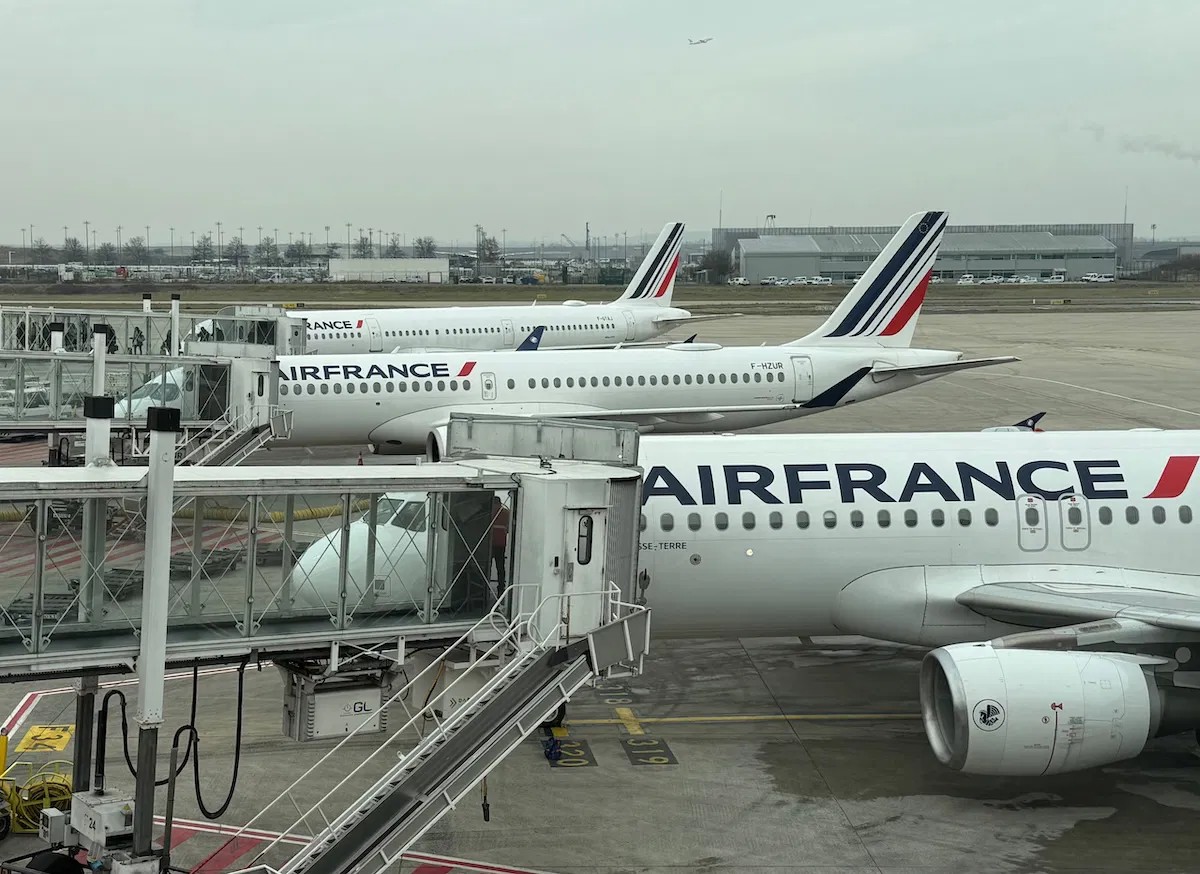
Airbus is actively pursuing the development of a stretched version of its popular A220 aircraft, potentially named the A220-500. This new variant is designed to accommodate approximately 180 passengers, bridging a gap in Airbus’ narrow-body offerings and offering airlines a compelling alternative for short-to-medium range routes.
The Rationale Behind the Stretch
Currently, the A220 comes in two configurations: the A220-100 and A220-300, seating between 110 and 160 passengers. Airbus believes a larger variant would attract airlines seeking increased capacity without the operational costs associated with larger, long-haul aircraft. The company is now actively seeking pre-orders to justify development, with a potential announcement at the Farnborough Airshow in 2026.
This isn’t simply about adding seats. Airbus aims for a “simple stretch,” meaning minimal redesign beyond extending the fuselage. This approach would reduce development costs, but also impact range: the A220-500 would be optimized for flights under four hours, unlike its siblings capable of transcontinental routes.
A Potential Cannibalization or Strategic Expansion?
The move raises questions, as Airbus already has a popular narrow-body family: the A320neo series. The A320neos, especially the A321neo, dominate the market. Why create a competitor within its own portfolio?
The answer lies in economics and fleet commonality. The A220-500 would likely offer lower operating costs and a lower purchase price than the A320neo, making it attractive to airlines prioritizing efficiency. Furthermore, passengers favor the A220’s more comfortable 2-3 seating layout.
The A220-500 could serve as a gateway to the Airbus family, drawing in airlines who might otherwise opt for competitors like Boeing, and increasing demand for the smaller A220 variants as a more versatile product line.
The Engine Question and Airbus’ Production Strategy
The A220 was originally developed by Bombardier as the CSeries before Airbus acquired the program. The plane has proven challenging for some airlines due to engine durability issues. Airbus’ new CEO, Lars Wagner, seems determined to move forward despite these hurdles, contingent on securing enough customer commitments.
There’s a subtle production benefit at play. By shifting demand from the A320neo to the A220-500, Airbus can allocate more resources to producing the highly sought-after A321neo, maximizing profitability.
Conclusion
The A220-500 is a logical step for Airbus, despite the potential for internal competition. The plane fills a niche for airlines prioritizing efficiency and passenger comfort on shorter routes, while strategically allowing Airbus to optimize its production line. If Airbus secures sufficient pre-orders, the A220-500 will likely become a reality, adding another competitive option to the narrow-body market.