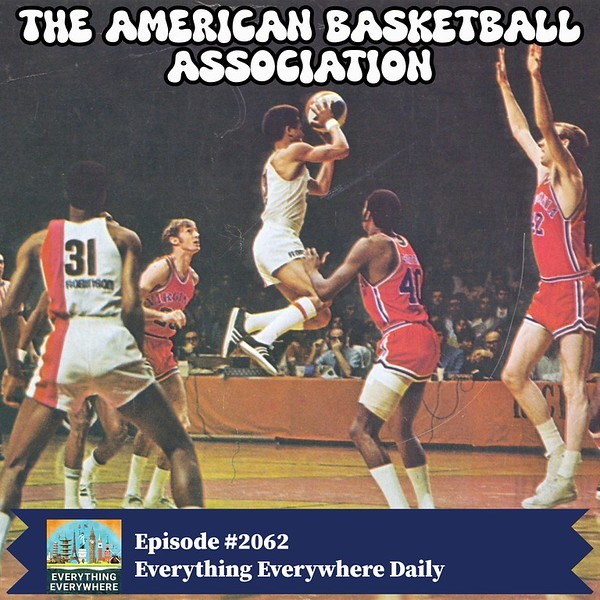
The story of the American Basketball Association (ABA) is one of calculated disruption. Founded in 1967, the ABA wasn’t just another league—it was a deliberate attempt to shake up the NBA, which had grown stale and predictable. This wasn’t a naive gamble, but a strategic play to force a merger that would reshape professional basketball forever.
The NBA’s Stagnation and the ABA’s Opportunity
By the late 1960s, the NBA was losing ground to baseball and football in fan interest. The Boston Celtics’ decade-long dynasty, while impressive, had made the league feel rigged. This predictability created an opening for a rival league willing to take risks. The ABA launched with just 11 teams, each backed by a modest $5,000 investment—a fraction of the NBA’s entry fee. Their aim: create a spectacle compelling enough to force the NBA’s hand.
A League Built on Innovation and Rebellion
The ABA didn’t just compete; it differentiated. The league embraced a flamboyant style, showcasing high-flying dunks, the three-point shot (which the NBA initially dismissed as a gimmick), and an iconic red, white, and blue ball. This wasn’t just about aesthetics; it was about attracting attention. Teams played in smaller venues, sometimes even high school gyms, because they lacked TV contracts and relied heavily on gate receipts.
One of the ABA’s greatest financial success stories involved the Silna brothers, owners of the St. Louis Spirits. They played hardball during the 1976 merger, ultimately securing a deal that included a 1/7th share of the NBA’s future television revenue. That share eventually ballooned to over $800 million by 2014 when they finally cashed out. The ABA wasn’t just about basketball; it was about shrewd business.
Breaking the Rules to Attract Talent
The ABA also challenged the NBA’s control over player acquisition. While the NBA enforced strict eligibility rules tied to the NCAA, the ABA allowed players to join the league early, even if they hadn’t finished college. This “hardship rule” drew stars like Spencer Haywood, who sued the NBA to secure his right to play professionally. Haywood’s victory opened the door for future legends like Julius Erving (“Dr. J”), George Gervin (“The Iceman”), and even Moses Malone, who joined straight out of high school.
This flexibility proved critical. The ABA wasn’t just a league; it was a platform for players the NBA wouldn’t touch.
The Cultural Impact: Style, Substance, and Social Change
The ABA wasn’t just about basketball; it was about culture. While the NBA promoted a conservative image, the ABA embraced the spirit of the 1970s. Players wore flashy outfits, sported afros, and weren’t discouraged from showboating. The league even tolerated hockey-level brawls.
The ABA also broke barriers. Ellie Brown became the first female executive in professional sports, leading the Kentucky Colonels with an all-female board of directors. The league cultivated a strong relationship with Black America, providing a space where Black athletes were treated with dignity.
The Slam Dunk Revolution
Perhaps the ABA’s most lasting legacy is the slam dunk. While NBA players could dunk, it wasn’t part of the league’s ethos. The ABA embraced it, showcasing the athleticism of players like Connie Hawkins and Dr. J. This led to the creation of the Slam Dunk Contest, now a staple of the NBA All-Star Game.
The Merger and Lasting Influence
In 1976, the NBA finally relented, absorbing four ABA teams: the Indiana Pacers, San Antonio Spurs, Denver Nuggets, and New York Nets. The ABA may have disappeared, but its spirit lives on. The three-point line, slam dunk contests, and a more vibrant culture all owe their existence to the league that dared to disrupt the status quo.
The ABA proved that innovation, calculated risk-taking, and a willingness to challenge norms can reshape an entire sport. It wasn’t just about basketball; it was about changing the game forever.