


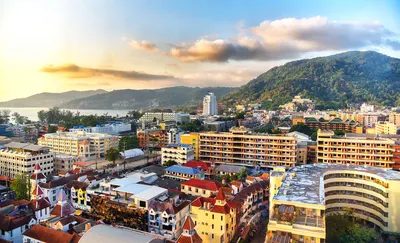
Phuket isn’t just white sand and nightlife. It’s an industrial engine. The island sits in the Andaman Sea, right off Thailand’s west coast. But look past the beach resorts and you’ll find a working port.
Phuket City in the southeast handles the heavy lifting. It exports tin, rubber, charcoal, lumber, and fish. Ships carry these goods south to Malaysia and Singapore. Others head north to Myanmar (Burma). It’s a logistical hub.
Importing is just as important. Rice and manufactured goods flow in. The airport keeps things moving with regular flights to Bangkok, other southern towns, and George Town, Malaysia.
Where to Stay in Phuket City
Most tourists skip the city for the beaches. But staying here grounds you in reality. You’re not in a vacation bubble. You’re in a living, breathing port city.
The harbor is the focal point. It’s gritty. It’s real. You can watch boats loading cargo while sipping coffee.
What to See and Do
- Explore the Sino-Portuguese architecture in Old Town.
- Visit the Big Buddha for sweeping views.
- Take a boat trip to nearby islands like Phi Phi or James Bond Island.
- Sample local street food.
Why Visit Phuket City?
Because it’s the soul of the island. The beaches are pretty. But the city is where Phuket happens. It’s where history meets commerce.
“Phuket City is the commercial center of the island, a major port and hub for trade.”
Practical Tips for Travelers
- Best time to visit: November to February. Cooler, drier weather.
- Getting around: Rent a scooter or take a songthaew (shared truck taxi).
- Budget: Mid-range. Not as expensive as Patong or Kata.
Phuket City is the island’s backbone. Don’t ignore it.

The Geography of Phuket
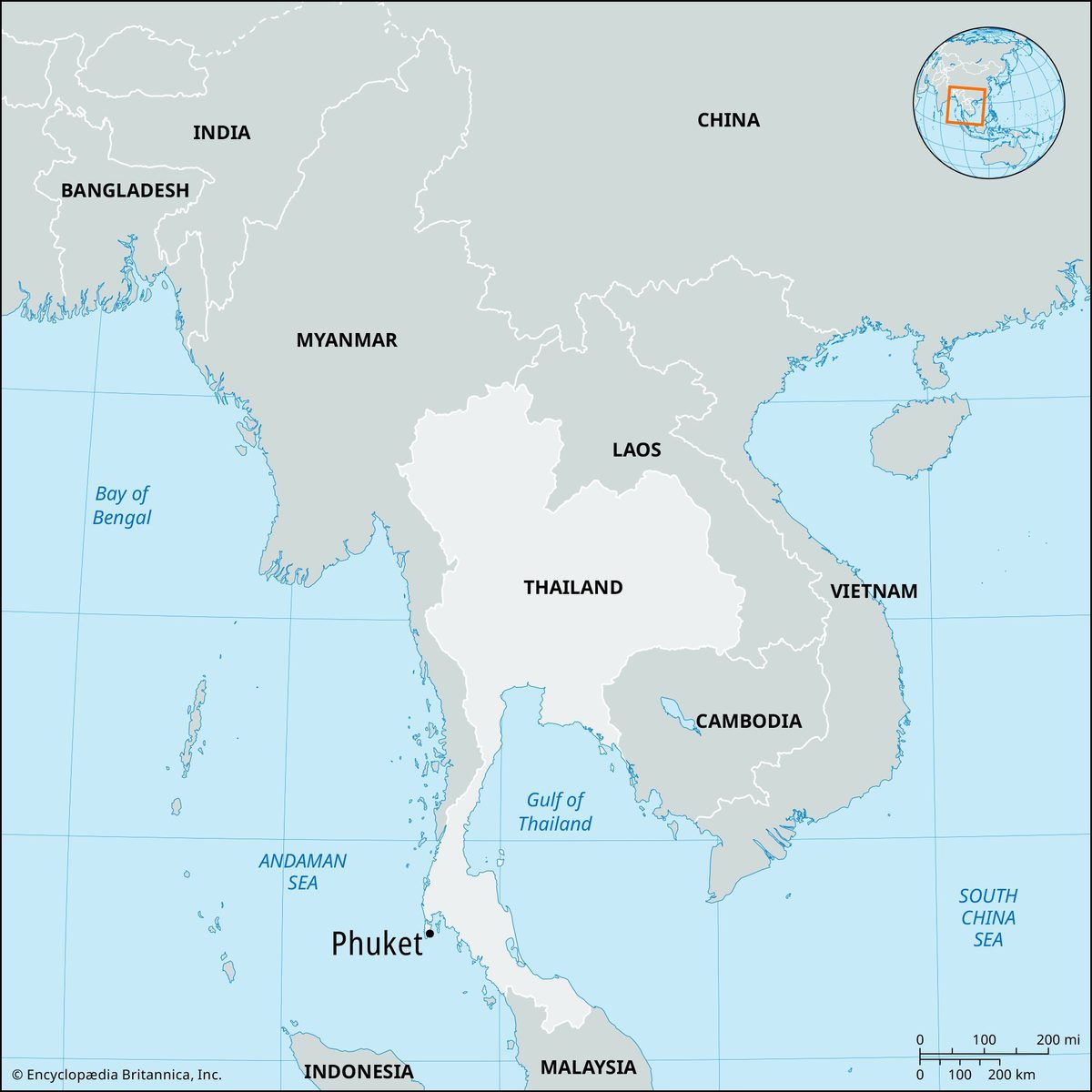
You might expect an island to be rugged, but Phuket’s surface is surprisingly flat. It’s mostly level land, broken up only by isolated hills that climb to 1,700 feet. That’s 520 meters for those tracking altitude. The place has been around since the 1st century bce. It wasn’t always a tourist hotspot though. Early on, it was part of various Tai states. Then came the Ayutthaya kingdom in the 16th century.
The demographic shift happened later. After the 18th century, a massive wave of Chinese migrants arrived. Today, more than half the population is Chinese. The name itself has a history. Malays called it Ujong Salang, or Cape Salang. You’ll also see it written as Tongka, Junk Ceylon, or Jonsalam. It’s a linguistic map of who held power here when.
Tin and Tourism
Phuket is famous for one thing above all else: tin. The mines are rich and deep in history. You find the ore in lowland gravels or right on the shallow seafloor. They don’t dig with shovels anymore. They use river and ocean boat dredges and pumps to suck it up. It’s industrial, loud, and profitable.
But the island is also a major seaside resort now. If you’re planning a trip, getting there is straightforward. A bridge connects the island to the mainland in the north. You cross a narrow strait and you’re on Thai soil. From there, a road links the three major settlements: Thalang, Phuket, and Ban Rawai. You can drive between them without getting lost.
Surviving the 2004 Tsunami
You can’t talk about Phuket without addressing December 2004. The island was severely damaged by a tsunami. An earthquake near Indonesia sent the waves crashing in. Several thousand people died. Many were foreign tourists. It changed the island forever. The recovery was brutal. The scars are hidden under sand and resorts now, but the memory remains.
The island covers 210 square miles. That’s 543 square kilometers of land. The population has grown since the turn of the century. In 2000, the city held about 66,685 people. By 2018, that number jumped to 79,755. It’s denser now. More concrete. More eyes watching the shoreline.
Why Phuket Still Matters
Why do people keep going back? The tin is still there. The beaches are still white. But it’s the mix that works. You have the history of the Chinese influx. You have the Malay roots. You have the modern infrastructure that survived a natural disaster. It’s not just a playground. It’s a place that kept its shape.
If you’re looking for the best time to visit, avoid the monsoon season. But if you want to see the dredges in action, go when the water is calm. You’ll see the machines pulling up the gravel. You’ll smell the salt. You’ll hear the engines. It’s not pretty. But it’s real.
The bridge is the first thing you’ll see. It’s a concrete spine holding the island to the mainland. Drive across it. Watch the water. Remember the


