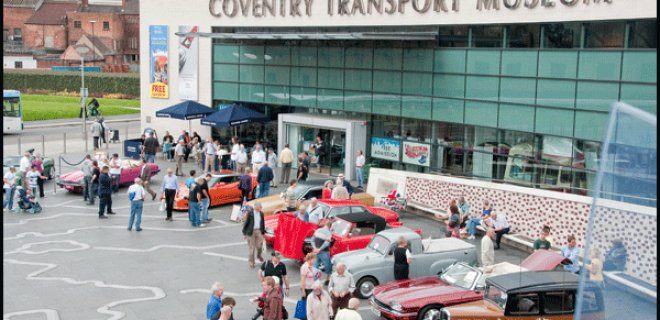
If you are planning a trip to the UK’s West Midlands, there is one stop that absolutely demands your attention. The Coventry Transport Museum is the city’s most visited attraction. It used to be called the National Motor Museum, but the name change reflects a broader mission. This isn’t just about cars. It is about how people and goods moved across Britain.
The museum’s location is no accident. Coventry was once the heart of the British automotive industry. Setting up a museum here makes perfect sense. You are standing in the place where the engines roared to life for decades.
The collection is massive. You will find roughly 240 automobiles and commercial vehicles on display. That includes everything from vintage tractors to classic luxury sedans. Motosike enthusiasts aren’t left out either. There are about 100 motorcycles in the collection. Cyclists get their due, too. The museum houses around 200 bicycles, showcasing how two-wheeled transport evolved.
The Coventry Transport Museum is the UK’s premier destination for understanding the history of road transport.
Why This Collection Matters
You might wonder why you should spend half a day here. The answer lies in the sheer variety. This isn’t a sterile room with glass cases behind iron fences. The layout feels more like a story.
Start with the cars. You can see the shift from horse-drawn carriages to the first internal combustion engines. The collection highlights British engineering quirks that you won’t find in American or European museums. For instance, look closely at the early commercial vehicles. They show how Britain handled logistics before modern trucks took over.
Don’t skip the bicycles. It sounds small, but the evolution of cycling is surprisingly interesting. You can trace the safety bicycle’s rise and how it changed daily life for the working class in the 19th and early 20th centuries.
Planning Your Visit
Timing matters. The museum is large enough that you can easily lose track of time. Give yourself at least three hours. If you are a serious enthusiast, a full day is better.
Logistically, it is easy to reach. It sits near the city center. Public transport options are available, but driving is convenient if you have a rental car. There is ample parking nearby, which is a relief for many travelers.
What to see first? The main hall with the historic cars usually draws the biggest crowd. Go early in the morning if you want to beat the tour groups. The motorcycle section is often quieter. You can get closer to the bikes there. Examine the details. The craftsmanship in these older machines is often overlooked.
Hidden Gems and Practical Tips
Not everything is immediately obvious. Some of the best pieces are tucked away in smaller galleries. Keep an eye out for the aviation-related transport items. Coventry also had a significant role in aircraft manufacturing during the war. The museum connects these dots, showing how wartime tech bled into civilian vehicles.
Tickets are reasonably priced for what you get. Check their official website for current rates before you go. Sometimes they offer family bundles or discounts for online booking.
Is it worth it? Yes. But go with the right expectations. This isn’t a shiny new theme park. It is a repository of history. You will see rust. You will see dust. And you will

Coventry’den Savaşın İzlerinden: Yeni Katedralin İçindeki Huzur
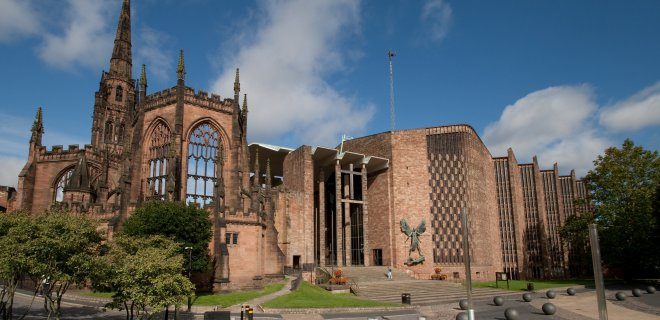
Yeni Coventry Katedrali (St Michael’s Cathedral) ile eski şehrin kalıntıları arasında yürümak, zamanın nasıl kırıldığını görmek gibidir. 1951’de inşaatına başlanan, 1961’de açılan bu yapı, sadece bir ibadethane değil, şehrin direnişinin somut kanıtıdır. Mimar Basil Spence, eski katedralin temelleri üzerine üçüncü bir yapıyı daha hayata geçirdi. Bugün hala başpiskoposluk merkezi olarak hizmet veren katedral, hem yerel halkın ruhunu hem de gelen turistlerin dikkatini çekiyor.
İçeriye adım attığınızda, önce duvarlar gelir. 1950’lerin betonu, sert ve sadedir. Ancak içindeki sanat eserleri bu sertliği yumuşatır. Graham Sutherland’ın devasa Haç tablosu, duvarlarda asılı dururken, John Piper’ın Kutsal Ruh penceresi ışığı kırmızıya boyar. Bu, sadece bir görsel şölen değil; savaş sonrası bir toplumun umut arayışının izi.
Burada dikkat etmeniz gereken detaylar var. Girişte ücretsiz bir rehberlik broşürü alabilirsiniz, ama kendi gözlerinizle görmelisiniz. Özellikle Trafalgar penceresindeki detaylara bakın. Camın arkasındaki renkler, günün ışığına göre değişir. Sabah vakti giderseniz, ışık daha soğuk ve nettir. Öğleden sonra ise sıcak tonlar, betonun gri yüzeyine karşı daha dramatik bir kontrast yaratır.
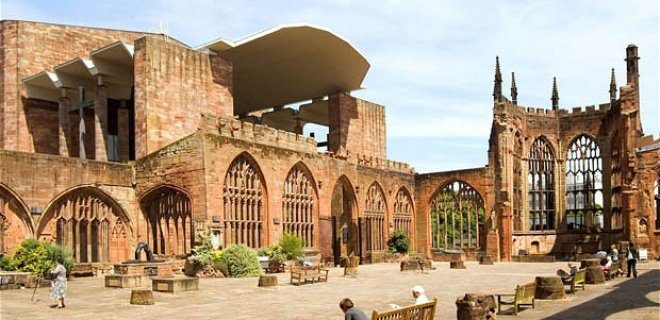
Katedralin avlusunda durup etrafınıza bakın. Eski katedralin yıkık duvarları, yeni yapıdan sadece birkaç metre uzakta. Bu zıtlık, Coventry’nin kimliğini oluşturur. Sadece görülecek bir yer değil, hissedilecek bir mekan. Ziyaret ücretsizdir, ancak bağış kutusuna bir dolar atmayı unutmayın. Bu yapı, topluluk tarafından finanse edilmeye devam ediyor.
Herbert Sanat Galerisi ve Müzesi: Şehrin Sanal Hafızası
Katedralin gölgesinden çıkıp şehrin kalbine doğru yürürseniz, Herbert Art Gallery and Museum ile karşılaşacaksınız. Coventry’nin en büyük sanat müzesi olan burada, sadece yerel eserler değil, uluslararası çağdaş sanat da sergileniyor. Bina, 1970’lerde inşa edilmiş olup, son yıllarda yenilenerek daha modern bir dokuya kavuştu.
Giriş ücretsizdir. Bu, müzelerin çoğunda geçerli bir kuraldır ancak Herbert’te bu ücretsiz erişim, şehrin kültürel mirasını herkes için erişilebilir kılma çabasının bir parçası. İçeride, J.M.W. Turner’ın erken dönem çizimlerinden, modern İngiliz ressamlarının çalışmalarına kadar geniş bir yelpaze görebilirsiniz. Özellikle *Coventry
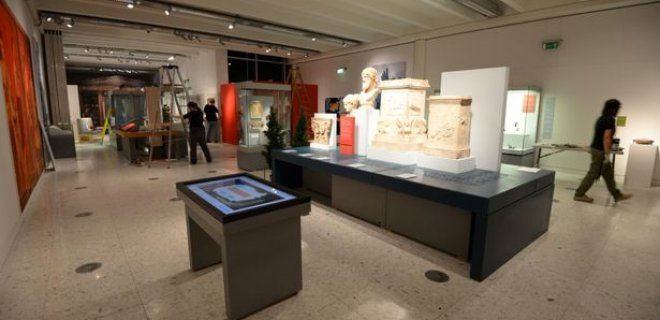
Şehirdeki yerel halkın “Herbert” diye hitap ettiği Coventry Herbet Museum and Art Gallery sadece bir sanat galerisi değil. Aslında Coventry’nin kültürel omurgası. Mükemmel eserleri barındıran bu mekan, 1939’da kapılarını açmıştı. Savaş yıllarında sessizleşti. 1960’larda ise yeniden nefes aldı. Adını veren kişi? Hayırsever sanayici Herbert. Onun katkıları olmadan bu kurum bugünkü hâline gelemezdi.
Yılda 300 binden fazla ziyaretçi ağırlıyor. Coventry’nin en önemli turistik merkezlerinden biri olması tesadüf değil. Peki ya giriş ücreti? Hiç. Tamamen ücretsiz. Ama isterseniz bağışta bulunabilirsiniz. Kısıt yok. İstediğiniz kadar. Paralar doğrudan müzenin refahına ve güzelleştirilmesine gidiyor. Yani sadece bakmıyorsunuz. Mekanın yaşamasına katkıda bulunuyorsunuz.
Zorlu Bir Yolculuk: Savaş Anıtı Parkı
Müzedense hemen yanına geçiyorsunuz. Coventry Savaş Anıtı Parkı. Burası sadece bir yeşil alan değil. Coventry Savaşı Anıtı’nın da içinde bulunduğu, ağır bir tarih kokan bir mekan. 1960’larda İngiliz sanatçısı John Bridgeman tarafından tasarlanan anıt, beton ve taşın sertliğini incelikli bir formda birleştiriyor.
Parkın kendisi de bir deneyim. Geniş çim alanları, ağaç gölgeleri… Ama dikkatiniz dağılmamalı. Anıtın detayları var. Uzun koridorlar. Duvarlardaki kabartmalar. Her biri bir hikâye anlatıyor. Coventry’nin II. Dünya Savaşı sırasında yaşadığı yıkımı yansıtıyor. Burada sessizlik ağır basar. Kalabalık sesler parkın kenarına sıkışıp kalır.
Ne zaman gitmek en iyisi? Sabah erken saatler. Işık açıldığında betonun yüzeyindeki detaylar daha net görülür. Öğleden sonra ise gölgeler uzar. Atmosfer daha melankolik olur. İkisi de kendi başına bir şey. Ama sabah, daha aydınlık bir yaklaşım için iyi.
Parkta dolaşırken şunları unutmayın:
– Anıtın girişi ücretsizdir.
– Park alanı halka açıktır.
– Yakınlarda kafe ve oteller bulunur.
– Genel olarak Coventry ulaşımı kolaydır.
Neden buraya gelinir? Sadece görmek için değil. Hissetmek için. Coventry’nin sadece bir şehir olmadığını anlamak için. Savaşın izlerini bugüne taşıyan bu mekan, geçmişle şimdiki zaman arasında bir köprü.
The Forgotten War Memorial Park in Coventry
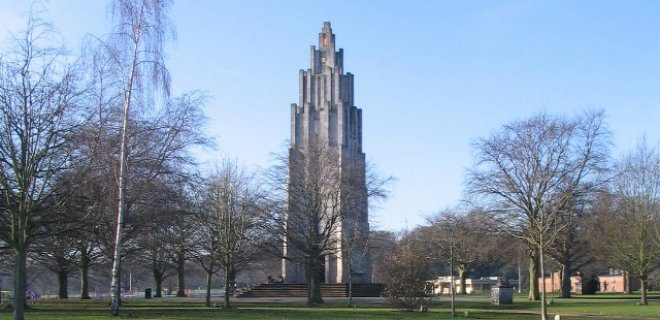
It’s easy to miss if you don’t look for it. A massive 49-hectare patch of green space tucked into Coventry’s residential rhythm. Most people drive through. A few stop to breathe.
This isn’t just another city park. It was born from grief.
Why This Park Exists
The grounds were established to honor 2,587 Coventry citizens who died during World War I. The timeline is brutal in its simplicity: 1914 to 1918. The park opened in 1921.
Think about that gap. Four years of global slaughter. Then, in the early 20s, the city decided to plant trees instead of building monuments to power. They chose landscape over steel.
Today, it’s the go-to spot for locals during spring and summer. You’ll see families spreading blankets, joggers cutting corners on the trails, and teenagers loitering near the sports fields. It’s not a tourist trap. It’s a living room for the city.
What’s Actually Worth Seeing
The layout is designed for movement. You’ve got:
- Laid-out gardens: Neatly trimmed, historical, quiet. Good for reading.
- Sports pitches: Football, cricket, whatever the locals are playing.
- Paths: Paved for walking, gravel for cycling. They wind through the trees.
But the real anchor is the cenotaph.
“A structure erected in memory of those who lost their lives.”
It stands solemn in the middle of the chaos. You can feel the shift in atmosphere when you get close. The noise of the city drops away. It’s a quiet place for a heavy thought.
Logistics for Your Visit
You don’t need a guide. You just need to know where to go.
- Best time: Late spring through early autumn. The gardens are lush. The weather is usually decent.
- Cost: Free. Always free.
- Logistics: It’s accessible by foot or bike. If you’re driving, there’s parking nearby, but it fills up on weekends.
The Nearby Context: St. Mary’s Guildhall
Just a short distance from these green fields is another layer of Coventry’s history. The St. Mary’s Guildhall.
It’s not part of the park, but it’s part of the same historical current. Medieval stone. Gabled roofs. A reminder that before the war, before the parks, there was a thriving medieval city.
You can walk the park. Then walk to the Guildhall. The contrast is striking. One is for the future, for life and sport. The other is for the past, for guilds and governance.
Why visit both? Because Coventry isn’t just one thing. It’s not just the cathedral ruins. It’s not just the park. It’s the layers.
Go for the air. Stay for the memory.
The Arsenal That Became Town Hall
Construction on this beast began around 1340. It was still taking shape two years later in 1342. Over the centuries, restoration and expansion projects made it significantly larger than the original footprint. It wasn’t just a building; it was a structural chameleon.
For a long time, the interior served a very different purpose. This space housed the town arsenal. It stored weapons. It held ammunition. It functioned as a military storage facility until 1822. That’s when the guns were cleared out. The shift to civilian use marked a turning point in the building’s identity.
Today, it stands as Rijswijk Town Hall, known locally as the Gemeentehuis. But don’t let the administrative function fool you. The architecture is stunning. The interior design is overwhelming in the best way possible. It’s a place that stops people in their tracks.
Why is it worth the detour? Because most town halls are sterile boxes. This one is history wrapped in plaster and stone. You’re walking through rooms where decisions were made about war and peace before they were made about trash collection and zoning.
The filial churches of Saint Mary, John the Baptist, and Saint Catherine are often associated with this era of religious devotion in the region, though the town hall itself is the civic anchor. The visual impact of the main hall alone justifies the trip. It’s not just a building to look at. It’s a lesson in how cities evolve.
If you’re planning a visit, timing matters. The exterior looks best in natural light. The interior details get lost in flat lighting. Go early. Beat the crowds. Sit for a moment on a bench if there is one. Let the scale of the space sink in. It’s rare to find a municipal building that feels like a cathedral. This one does.