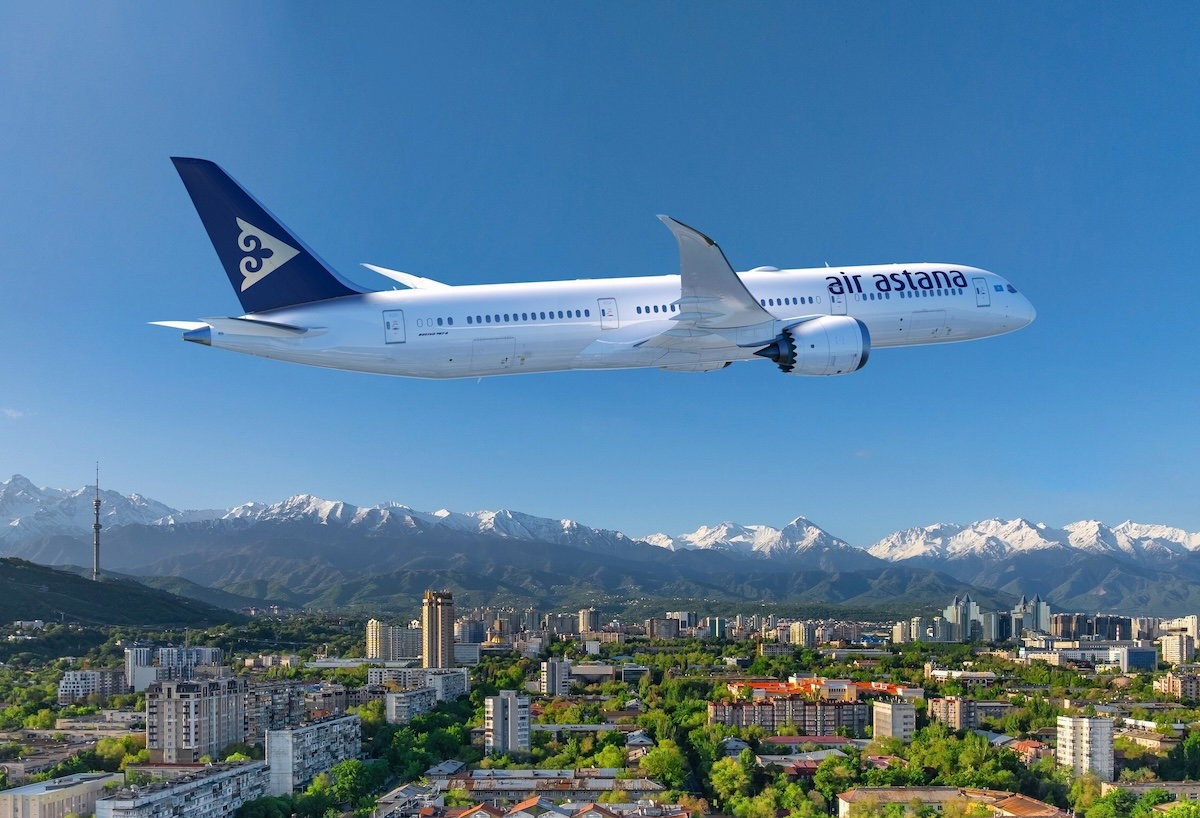
Air Astana is officially trying to bridge the gap between Kazakhstan and the United States. The national carrier filed with the Department of Transportation to operate scheduled passenger flights across the Atlantic. It sounds straightforward. It’s not.
The goal is nonstop service starting in 2027. That date depends on one specific regulatory checkbox. Kazakhstan must secure an IASA Category 1 safety rating from the Federal Aviation Administration. No rating means no direct flights to the US. That is the hard prerequisite.
How Kazakhstan Plans to Pass the FAA Test
Regulatory hurdles are rarely just bureaucratic. They are political and structural. This makes the timing of a recent hire significant. Just weeks before the DOT filing, an American with 40 years in civil aviation took the helm of Kazakhstan’s aviation administration. Much of that experience was spent directly at the FAA.
Why send a US regulator to lead Kazakh aviation?
The move looks like a strategic play to secure that Category 1 rating. It’s a clear signal that the government is serious about opening its skies. An insider touch, essentially. If the rating sticks, Air Astana gains the authority to fly nonstop routes. The filing itself suggests the airline expects this approval. It’s unlikely to be blocked, but the FAA holds the cards.
Which Routes and Aircraft Will Define the Service?
Air Astana operates on a dual-hub model. Flights depart from Astana and Almaty. Booking a connection through both hubs is a distinct feature of the network. It’s efficient but long. Direct routes to the US would change the math entirely.
But where exactly in the US?
New York is the obvious answer. Most international carriers prioritize New York for volume and prestige. Astana might lean toward government and business traffic. Almaty serves a larger, more populous market. The airline has to decide if this is about prestige or pure economics.
The hardware is already mostly in place. The widebody fleet relies on Boeing 767s. These are some of the newest in service. However, the Dreamliners are coming. Air Astana is taking delivery of Boeing 789s. These planes would likely carry passengers across the ocean. Modern fuel efficiency and range make the 787 a logical choice for long-haul stretches that currently don’t exist for the carrier.
Why This Matters Beyond the Ticket Price
Most airlines hemorrhage money trying to launch direct US routes. Prestige projects rarely turn a direct profit. Kazakhstan’s approach feels different. There is an underlying motive: economic growth. Strengthening ties with the US is a national priority. The airline is a vehicle for that diplomacy.
Air Astana is easily the best carrier in Central Asia, but launching a transatlantic service is about more than just selling seats.
The service might not be a cash cow in the short term. It could be a long-term investment in connectivity. The airline’s reputation is strong. I’ve flown them. The service is solid. They deserve this expansion.
Can Nonstop Flights Between Kazakhstan and the US Actually Happen?
The pieces are moving in the right direction. The regulatory framework is being addressed by someone who knows it. The aircraft are being upgraded. The filing has been submitted.
The 2027 target date might slip. Aviation schedules always slip. But the intent is there. The infrastructure is being built.
I want to fly that 787 to New York. It would change the perception of Central Asian aviation overnight. It would also just make travel easier. Fewer connections. Less time in the air. Whether it makes financial sense for the airline is secondary. The desire is palpable. And sometimes that’s enough to get things moving.
Who knows where the next route will land? Maybe not even New York.