


Bluebird skies. Thin air. Wind that bites.
I am in Poqes, 12,637 feet above sea level in the Peruvian Andes. With my guide Selinda Humilde, we hike the steep, crowded hillside of this town in the Sacred Valley. There is no itinerary. No script. Just real life, however it presents itself that morning.
It starts with potatoes.
Town president Américo Gutiérrez hands me a chakitaqlla —a spade made of bound wood and metal. We offer coca leaves to Pachamama, Mother Earth. We sip chicha, a fermented corn beer that tastes like fruit. Then we dig. We pull up smooth, yellow añu tubers for tonight’s stew. It feels authentic. Raw.
This isn’t the polished performance found in most valley tours. You know the type: half-hearted weaving demos paid for by operators selling “authentic” experiences to tourists. Often the textiles aren’t made locally anyway. They come from factories abroad. Designs rooted in ancestry, stripped of context.
Selinda’s outfit, La Base Lamay, tries to do it right. Tourism that actually benefits the community. Concrete help. Real connections.
But there is a shadow falling over the valley.
Construction began on a new international airport. Or rather, it tried to start. Decades of delays. False starts. January 2019 was the restart date. Located thirty kilometers northwest of Cusco, the site sits on the edge of Chinchero. Chinchero is ancient. Home to the ruins of Tupac Yupanqui, the 10th Incan Emperor. Famous for its weavers. Now it has a runway growing right outside it.
The completion date keeps sliding. Late 2028 now. The runway is visible. The concrete is real. The goal is massive: capacity for eight million visitors annually. A 160% increase over current arrivals.
Nobody in Poqes seems excited about the numbers.
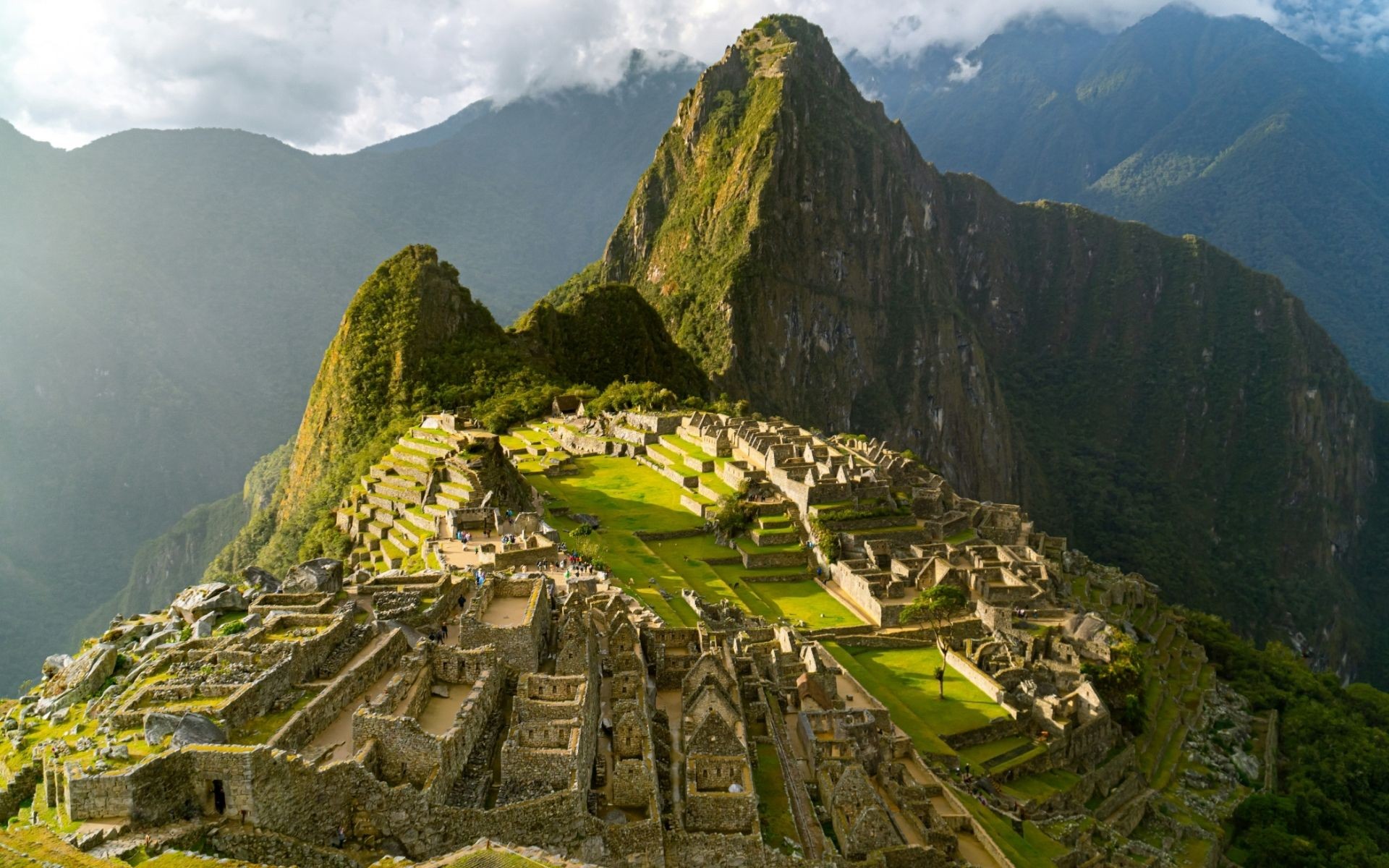
From Chinchero, you drive thirty minutes down into the Sacred Valley. It is green here. Terraced fields cling to steep slopes. Corn and potatoes grow where Incas grew them centuries ago. Every year, 1.5 million tourists flood through on trains heading northwest to Machu Picchu.
Critics say the airport makes no sense. Machu Picchu is already full. UNESCO has threatened to label the site “In Danger” repeatedly over the last twenty years. Too many people. Unchecked building. The result? A new system of timed entry, fixed circuits, and a daily cap of 5,670 tickets during peak season.
And yet, tickets sell out six months in advance.
“It’s not about bringing more visitors to one site,” the tourism board claims. “It’s about redefining connectivity… dispersing economic opportunity… improving quality of life.”
They argue the airport will help places like Choquequirao or Ollantaytambo, not just Machu Picchu. Cusco’s Chamber of Tourism says it could inject $12 billion into the regional economy. Double the tourism GDP. Sounds good, right?
Except the project is drowning in debt. A reported deficit of S/65 million ($19 million). Suppliers owed $895 million.
Even supporters are worried.
Carlos González, head of the Chamber of Tourism, says the government refuses to cooperate on a joint work plan. The basics are missing. There is no railway to link the airport to Cusco or Machu Picchu. The sewage system is an upgrade waiting to happen, currently dumping into the Vilcanota River. Both projects are just papers on desks.
The environment is another ticking clock.
In 2019 the IMF demanded a heritage impact study. The construction threatens extensive Incan remains around Chinchero. Worse, the airport sits on wetlands. These feed Laguna Piuray. Nearly half of Cusco drinks from that lake.
A joint study by Peruvian and French researchers found a clear risk: the airport, plus new hotels and urban sprawl, will wash sediment into the lake. It contaminates the water.
Then there is the physics.
The government promises non-stop flights from Europe and the Americas. Skip Lima. Go direct.
Aviation experts are skeptical. The airport sits at 12,342 feet. Planes need fuel and altitude. Long-haul take-offs from that height are tricky. Dangerous, even. No airline has signed on for a single route yet.
I sit with Selinda again, drinking muña —wild Andean mint. Steam rises. The view is cold and beautiful.
She has seen mass tourism destroy communities before. When money flows faster than culture can adapt, things break.
“Local people are farming less,” she says. They buy from markets now instead of growing food. Clothes change. Western jeans replace bright, hand-woven ponchos. Young people stop wearing their heritage because it’s impractical for a wage-labor economy.
Economic benefit comes with a price.
Selinda sees the airport as a tool too. If managed well, her community could sell more textiles. More visitors mean more income.
“But,” she says. “If it’s not handled carefully…”
The authenticity fades. The land changes.
The runway is visible from the Emperor’s ruins. The water might turn brown. The trains haven’t arrived yet.
We sip our tea. The wind picks up.


